
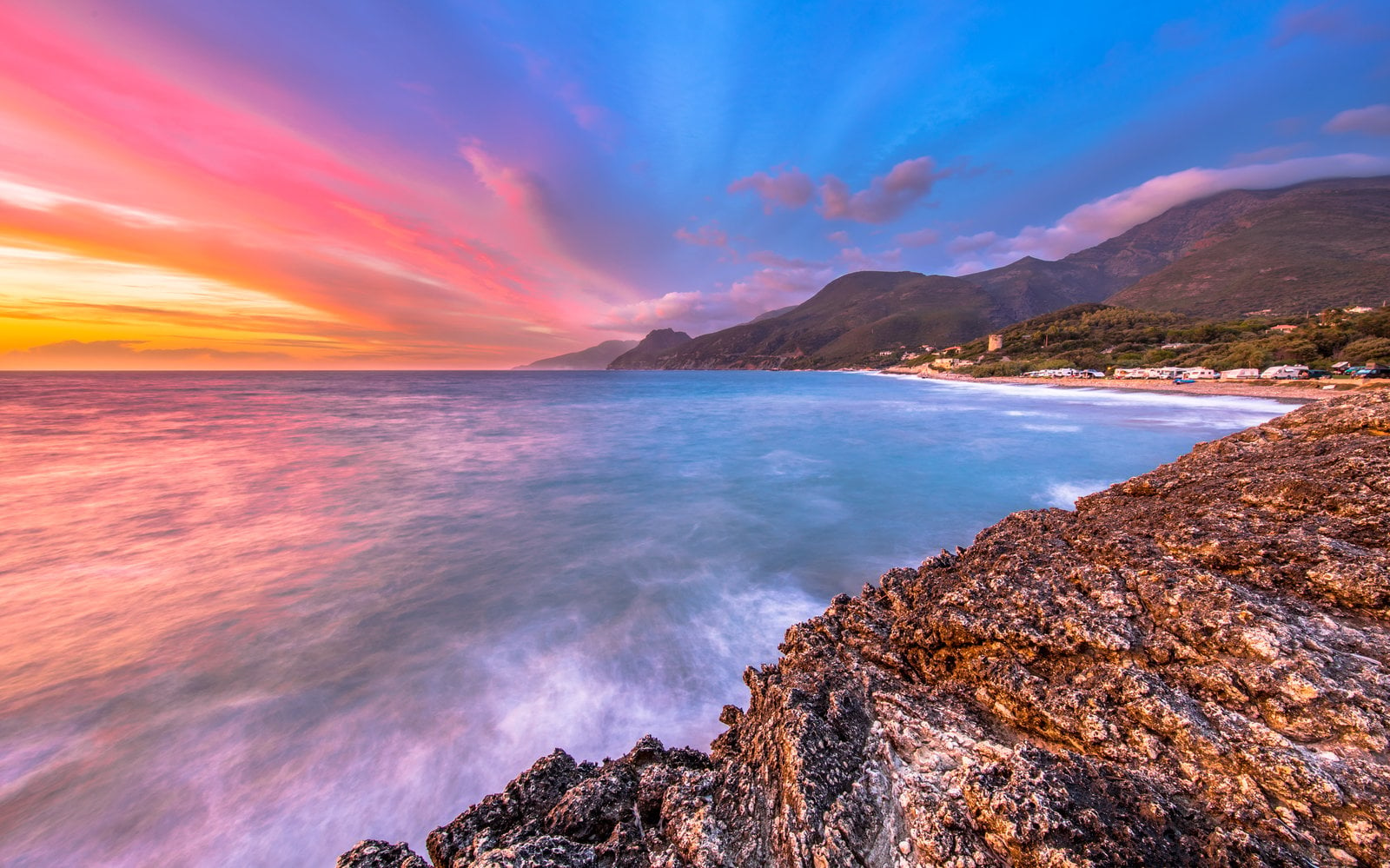
Greece is often celebrated for its islands, ruins, and coastline, but it is the way the day ends that leaves a lasting impression. As the sun lowers, landscapes soften, colors deepen, and even familiar places feel briefly transformed.
In Greece, sunsets are not events to rush toward. They unfold slowly, rewarding those who stay still long enough to notice.
A sunset in Greece is less about spectacle and more about atmosphere.
Why Sunsets Feel Different in Greece
Geography plays a role. With coastlines facing nearly every direction, Greece offers endless vantage points where light meets water, stone, and sky.
The experience is shaped by:
- open horizons
- reflective sea surfaces
- warm-toned architecture and terrain
Together, these elements create sunsets that feel immersive rather than staged.
Where to Watch Without the Crowds
While famous viewpoints draw attention, quieter locations often offer the most memorable moments:
- small beaches away from town centers
- rocky coves along island coastlines
- elevated village paths or overlooks
These places allow the sunset to feel personal rather than performative.
When to Plan Around the Light
Sunsets vary by season:
- Spring and fall: softer colors, fewer people, cooler evenings
- Summer: longer golden hours, vibrant skies, busier surroundings
Arriving early and staying after the sun disappears often reveals the most peaceful moments.
Making It Part of the Journey
Rather than treating sunset as a single stop, many travelers build their day around it:
- ending a walk along the coast
- pausing after dinner rather than before
- sitting quietly with no agenda
These moments often become the most remembered part of a trip.
Final Thoughts
A magical sunset in Greece does not demand planning or precision. It asks only for time, stillness, and attention. In a place shaped by light and sea, the day’s end feels less like a conclusion and more like an invitation to slow down.