
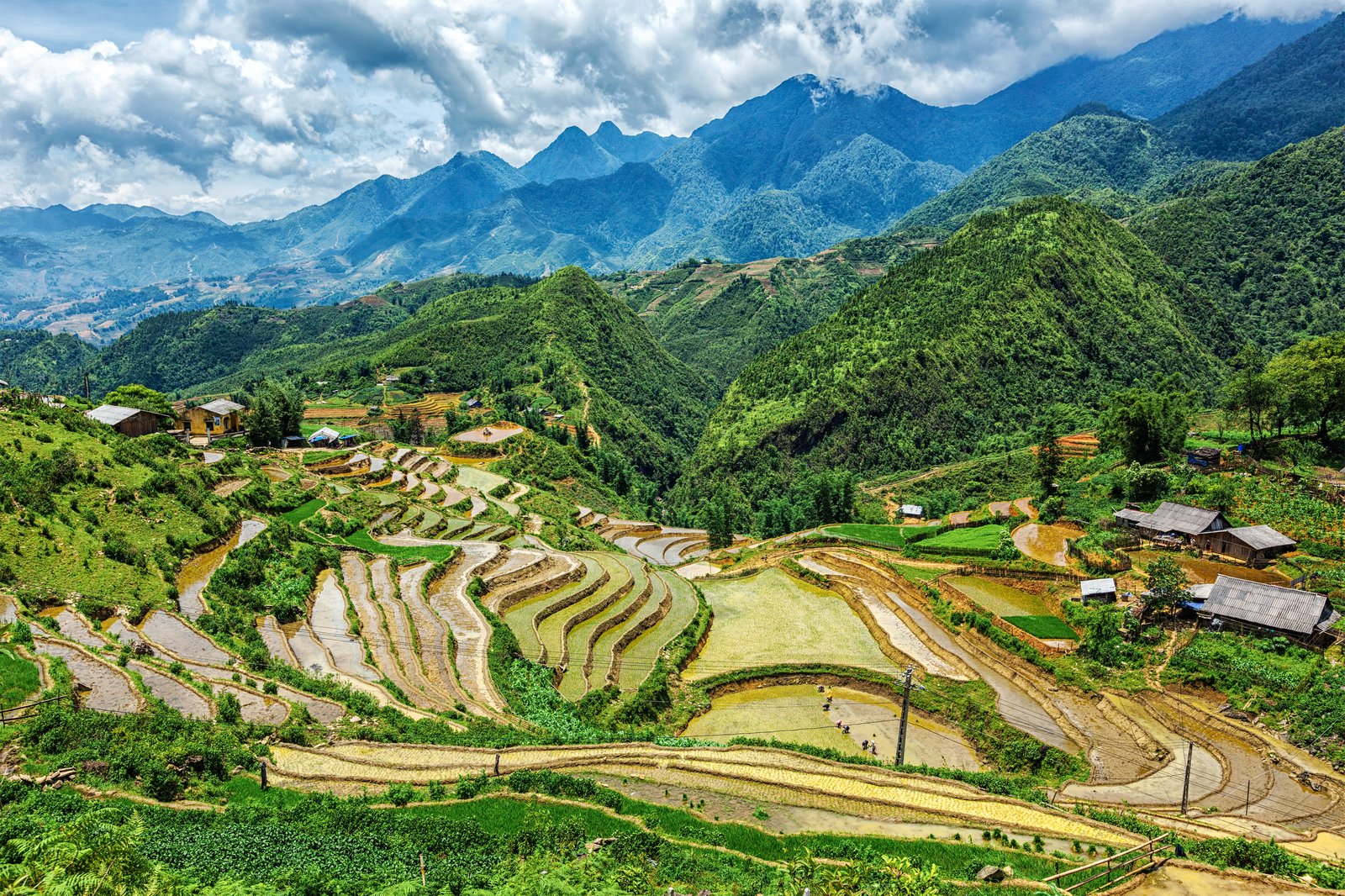
Located in northern Vietnam near the Chinese border, Sapa is known for its mountain scenery, terraced rice fields, and traditional hill tribe communities. It attracts travelers looking for cooler temperatures, slower rhythms, and landscapes shaped as much by agriculture as by nature.
Sapa isn’t about checking landmarks off a list. It’s about slowing down long enough to notice how people live with the land.
While Sapa has grown more popular over the years, thoughtful planning still makes a noticeable difference in how the experience feels.
Why Travelers Visit Sapa
Sapa appeals to travelers who value atmosphere over urgency. The region’s scenery changes dramatically with the seasons, and daily life remains closely tied to farming cycles and local traditions.
Sapa is well suited for:
- travelers seeking mountain landscapes
- those interested in cultural exposure
- visitors looking to slow their pace after busier cities
When Is the Best Time to Visit?
Timing matters in Sapa due to weather and visibility.
- March–May: Clear skies, mild temperatures, green landscapes
- September–October: Harvest season with golden rice terraces
- June–August: Rainy season with lush scenery but limited visibility
- December–February: Cold, foggy, and occasionally snowy
Spring and early fall offer the most balanced conditions.
What to Expect While You’re There
Sapa itself is a small town, but most travelers spend time outside the center exploring nearby villages and trails.
Common experiences include:
- guided or self-guided village walks
- scenic viewpoints and short hikes
- local markets and simple cafés
Conditions can change quickly due to weather, so flexibility is helpful.
Planning & Practical Tips
A few considerations can improve the trip:
- bring layers for changing temperatures
- plan extra time for fog or rain delays
- choose locally run guides when possible
Staying just outside the town center often provides a quieter experience.
Final Thoughts
Sapa rewards travelers who arrive with realistic expectations and an open schedule. Its beauty is subtle rather than dramatic, shaped by routine, terrain, and seasonal change. With thoughtful planning, it becomes a calm and grounding stop within a broader Vietnam journey.