
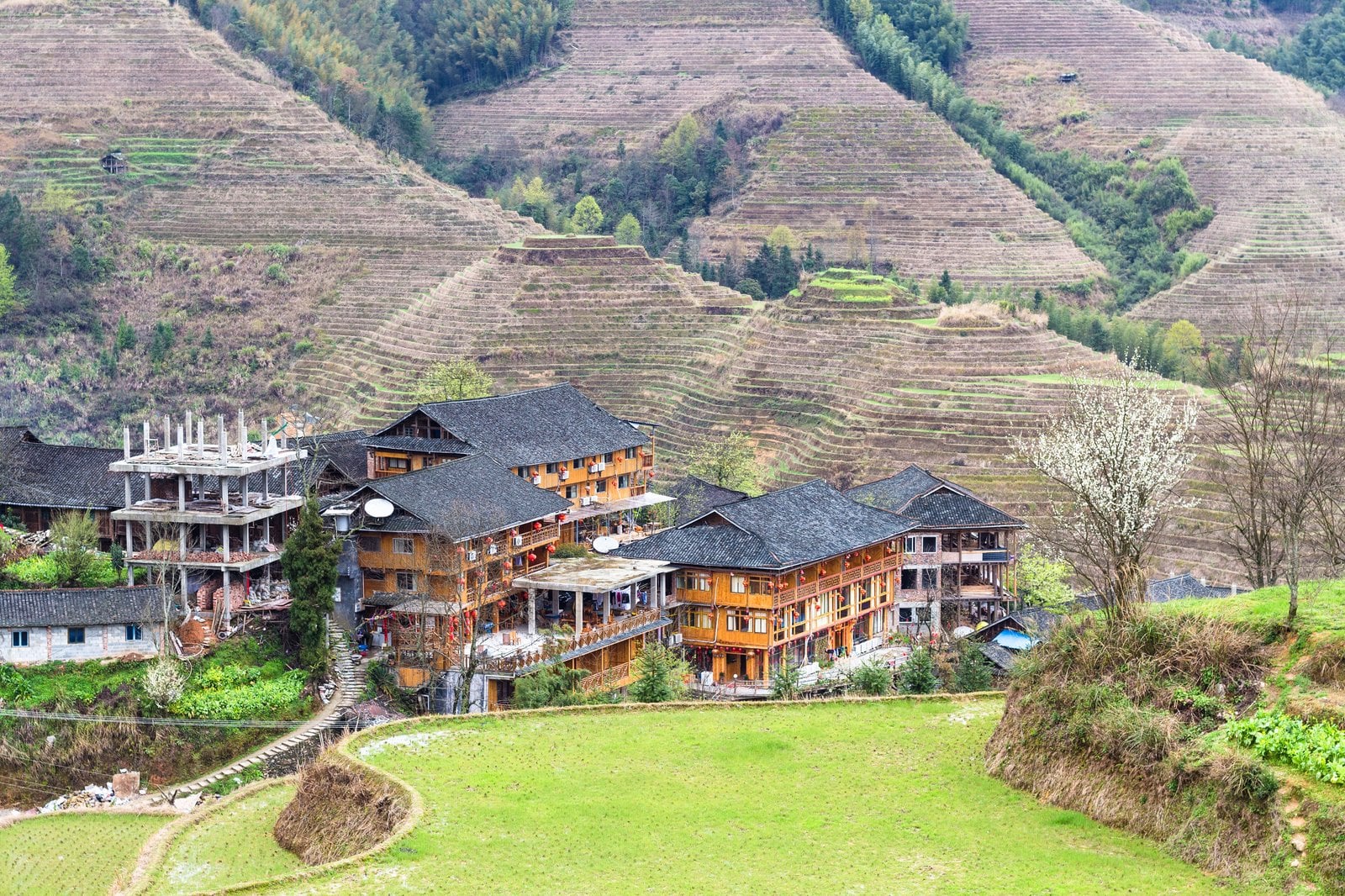
Beyond China’s major cities lies a network of small villages shaped by history, geography, and tradition. These communities offer a quieter perspective on the country, where daily life unfolds at a slower pace and local customs remain closely tied to the landscape.
China’s villages reveal a slower rhythm of life — one that rewards curiosity, respect, and patience far more than packed itineraries.
Visiting rural villages isn’t about sightseeing volume — it’s about experiencing place, culture, and routine in a more grounded way.
Why Visit Small Villages in China
Village travel provides contrast. Away from modern skylines and busy transit hubs, travelers encounter historic architecture, agricultural traditions, and regional customs that vary widely across the country.
These destinations appeal most to:
- culturally curious travelers
- slow-travel enthusiasts
- visitors seeking authenticity over convenience
Types of Villages Travelers Explore
Mountain Villages
Often surrounded by terraced fields and forested hills, these villages are known for scenic views and traditional building styles.
Water Towns
Located near canals and rivers, water towns feature stone bridges, narrow walkways, and long-established trade routes.
Heritage Villages
Some villages preserve centuries-old homes and layouts, offering insight into China’s architectural and social history.
Planning Considerations
- Language barriers are more common outside major cities
- Transportation may require advance planning
- Cultural norms vary by region and should be respected
Traveling with flexibility and patience makes the experience smoother.
Budget & Timing Tips
- Village stays are often more affordable than city hotels
- Spring and fall offer more comfortable weather
- Avoid major national holidays when travel surges nationwide
Where Travelers Usually Stay
Options typically include:
- Small guesthouses
- Family-run inns
- Nearby towns with better transport access
Comfort levels vary, but hospitality is often personal and welcoming.
Final Thoughts
Small villages in China offer a perspective that larger cities can’t replicate. For travelers willing to slow down and engage thoughtfully, these destinations provide a meaningful way to experience the country beyond its urban centers.