
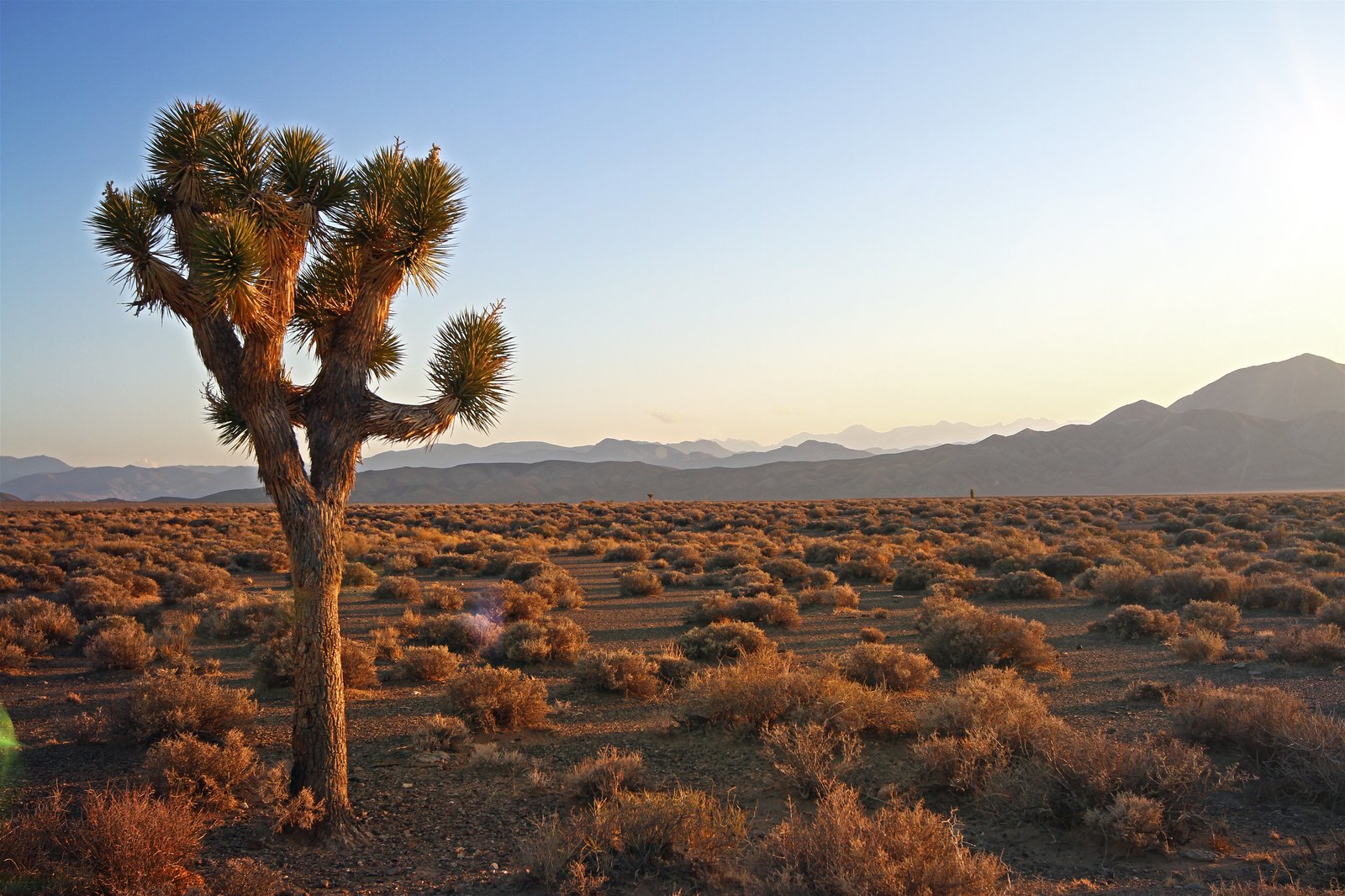
Joshua Tree National Park sits at the intersection of two distinct desert ecosystems, creating a landscape that feels both stark and quietly surreal. Known for its twisted trees, massive rock formations, and wide-open skies, the park attracts hikers, climbers, photographers, and travelers looking for something different from a traditional national park experience.
Joshua Tree is less about checking sights off a list and more about learning how to slow down. The desert rewards patience, not rushing.
Whether you’re visiting for a few hours or planning a longer stay, knowing when to go and how to plan ahead will shape your experience far more than any single attraction.
Why Joshua Tree Is Worth Visiting
Joshua Tree stands out because of its simplicity. There are no grand overlooks or towering waterfalls — instead, the park invites visitors to explore slowly, take in the desert light, and appreciate its unusual terrain.
The park is especially popular with:
- first-time national park visitors
- weekend travelers from Southern California
- anyone seeking a quieter, more reflective outdoor experience
Must-See Areas Inside the Park
Hidden Valley
One of the most accessible areas in the park, Hidden Valley offers short trails surrounded by massive boulders and desert plants.
Keys View
On clear days, this viewpoint provides sweeping views across the Coachella Valley and as far as Mexico.
Cholla Cactus Garden
Best visited early morning or near sunset, this area glows in golden light and feels entirely different from the rest of the park.
When Is the Best Time to Visit Joshua Tree?
- Fall (October–November): Ideal temperatures and fewer crowds
- Winter (December–February): Cool days, cold nights, very popular
- Spring (March–April): Wildflowers may bloom, busiest season
- Summer (May–September): Extremely hot; only recommended for experienced desert travelers
How Much Time You Need
- Half-day: Drive through and visit 1–2 areas
- One full day: Explore multiple sections and short hikes
- Two days: Relaxed pace with sunrise or sunset views
Practical Planning Tips
- Bring more water than you think you’ll need
- Cell service is limited in most areas
- Entrance fees apply per vehicle
- Temperatures can change quickly after sunset
Because lodging is located outside the park, where you stay can significantly affect drive times, sunrise access, and how relaxed your days feel.
Where Travelers Usually Stay
Most visitors stay outside the park in nearby desert towns, choosing locations based on which entrance they plan to use and how much time they want to spend driving each day. Since accommodations are not available inside the park, picking the right base helps balance convenience, scenery, and overall pace.
Common options include:
- Joshua Tree town, popular for its artsy atmosphere and proximity to the west entrance
- Twentynine Palms, closer to the north entrance and quieter overall
- Yucca Valley, offering a wider range of hotels and services with reasonable access to the park
Final Thoughts
Joshua Tree National Park is best enjoyed without rushing. Give yourself space to wander, sit quietly, and experience the desert on its own terms — it’s often the moments in between that leave the strongest impression.